ARTICLES & ANALYSIS
Evidence, explained.
Clear, careful reporting on psychedelic medicine—what research can tell us, what it cannot, and why the distinction matters.
Plain-English reporting
Evidence in context
Safety-aware language
Sources you can inspect
LATEST PUBLISHED WORK
Start with the evidence
-
FOUNDATIONAL GUIDE
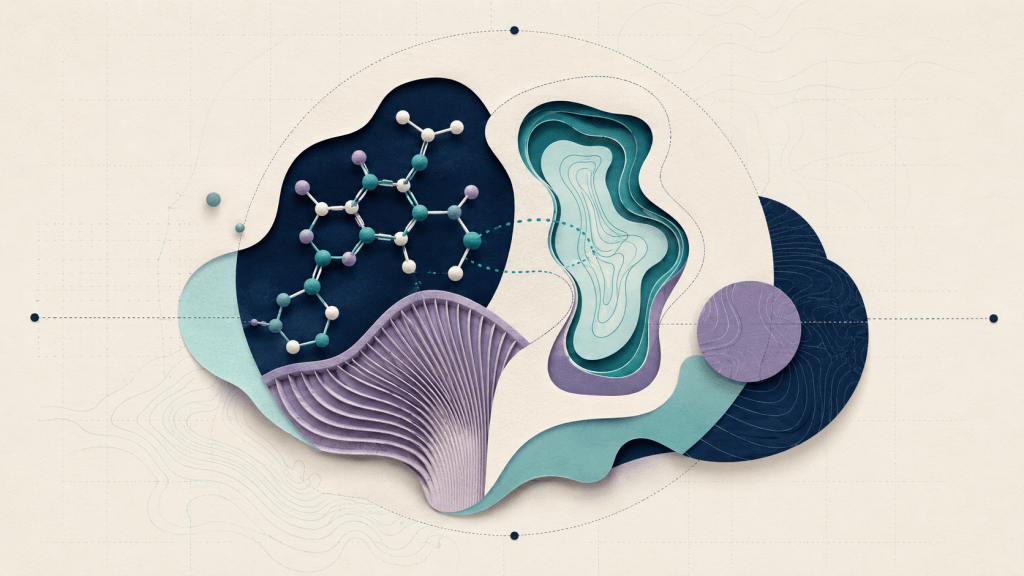
Psilocybin Explained: What Research Can—and Cannot—Tell Us
Read article →: Psilocybin Explained: What Research Can—and Cannot—Tell UsA clear guide to psilocybin, current depression research, adverse effects, trial limitations and why promising evidence is not routine approval.
-
FOUNDATIONAL GUIDE
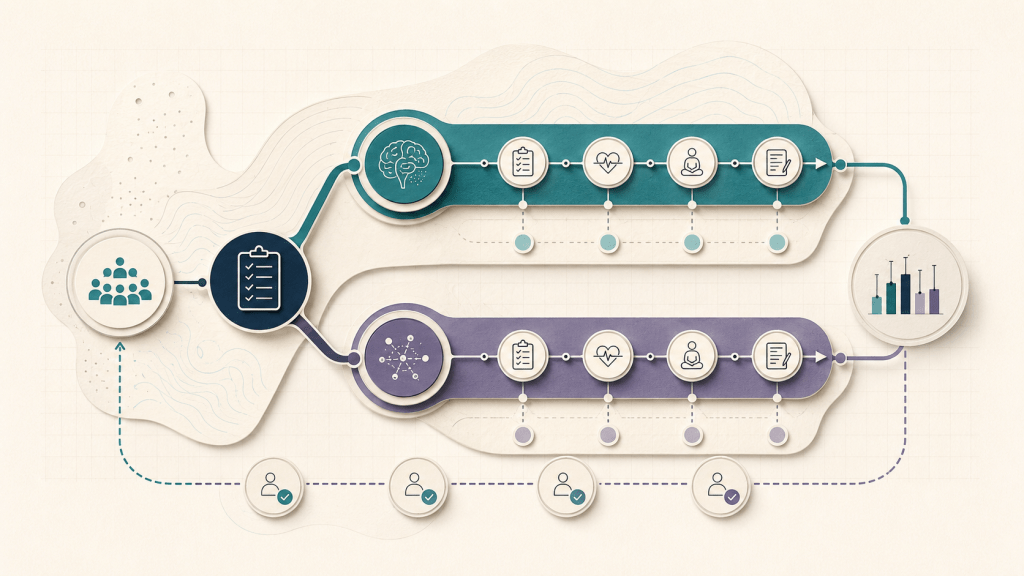
How Psychedelic Clinical Trials Work
Read article →: How Psychedelic Clinical Trials WorkAn accessible guide to phases, controls, psychological support, blinding, safety monitoring and what psychedelic clinical trials can genuinely establish.
-
FOUNDATIONAL GUIDE
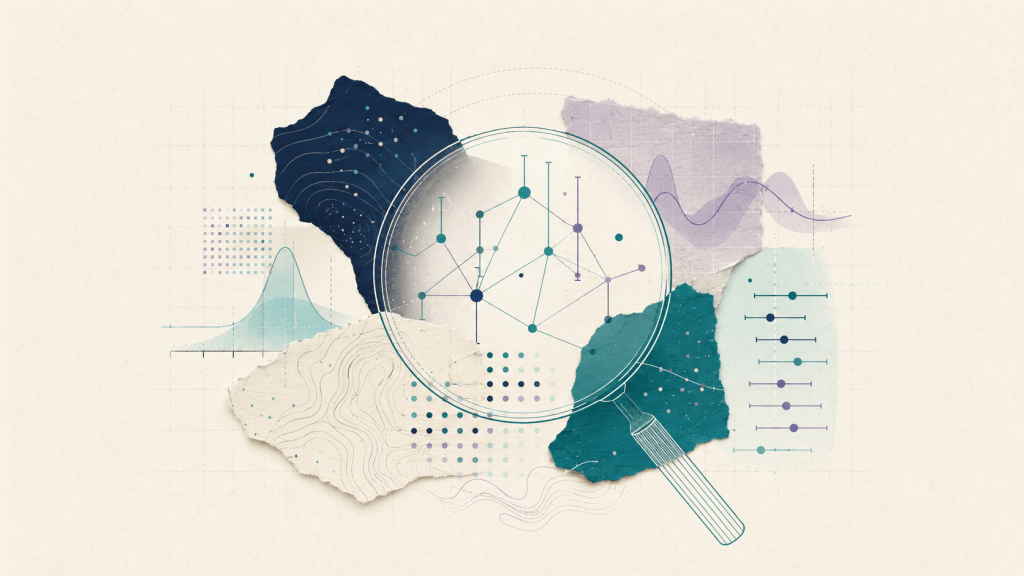
How to Read Psychedelic Research Without Being Misled
Read article →: How to Read Psychedelic Research Without Being MisledA practical guide to study design, blinding, outcomes, safety reporting and the questions that separate promising findings from reliable evidence.
-
FOUNDATIONAL GUIDE
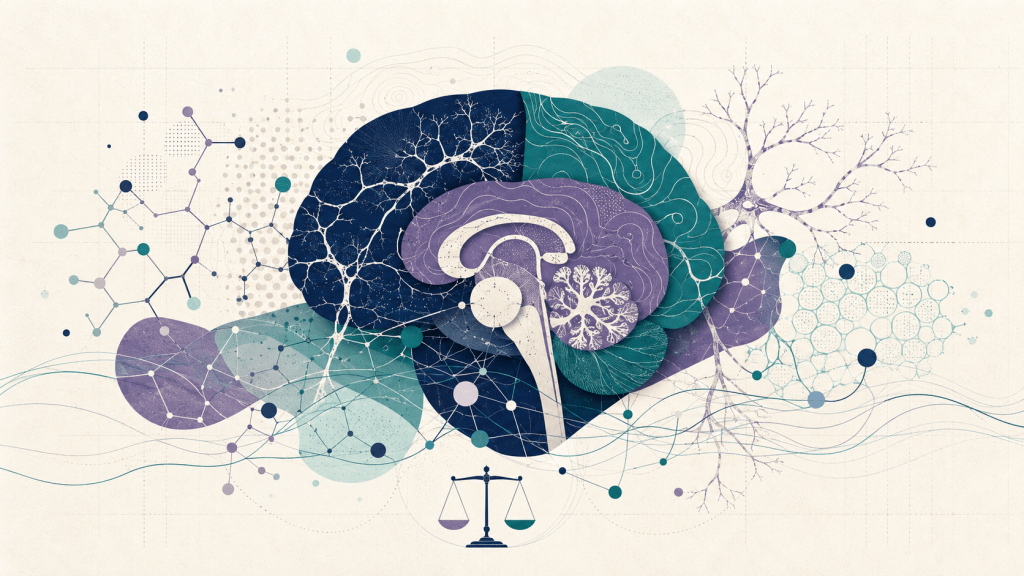
What Is Psychedelic Medicine? A Responsible Introduction
Read article →: What Is Psychedelic Medicine? A Responsible IntroductionA clear, evidence-informed guide to what psychedelic medicine means, what researchers are studying, where the evidence stands and why safety matters.
WHAT YOU’LL FIND HERE
Three lenses on a complex field
01
Research & evidence
Study design, clinical findings, uncertainty and the distance between promising research and established care.
02
Regulation & ethics
How law, clinical governance, consent, access and commercial pressure shape the real-world conversation.
03
Mental health context
Potential benefits, known risks, clinical boundaries and the experiences too often flattened into headlines.
A PRACTICAL READING HABIT
Four questions before you share a claim
What is the claim?
Separate what the study measured from what a headline implies.
Who took part?
Small or selective groups may not represent wider populations.
What are the limits?
Look for uncertainty, follow-up length and alternative explanations.
Can I inspect it?
Prefer reporting that links to the underlying source or guidance.
Keep exploring
Use the Resources library to inspect primary sources, or read the Mission to understand how this publication approaches evidence.

